
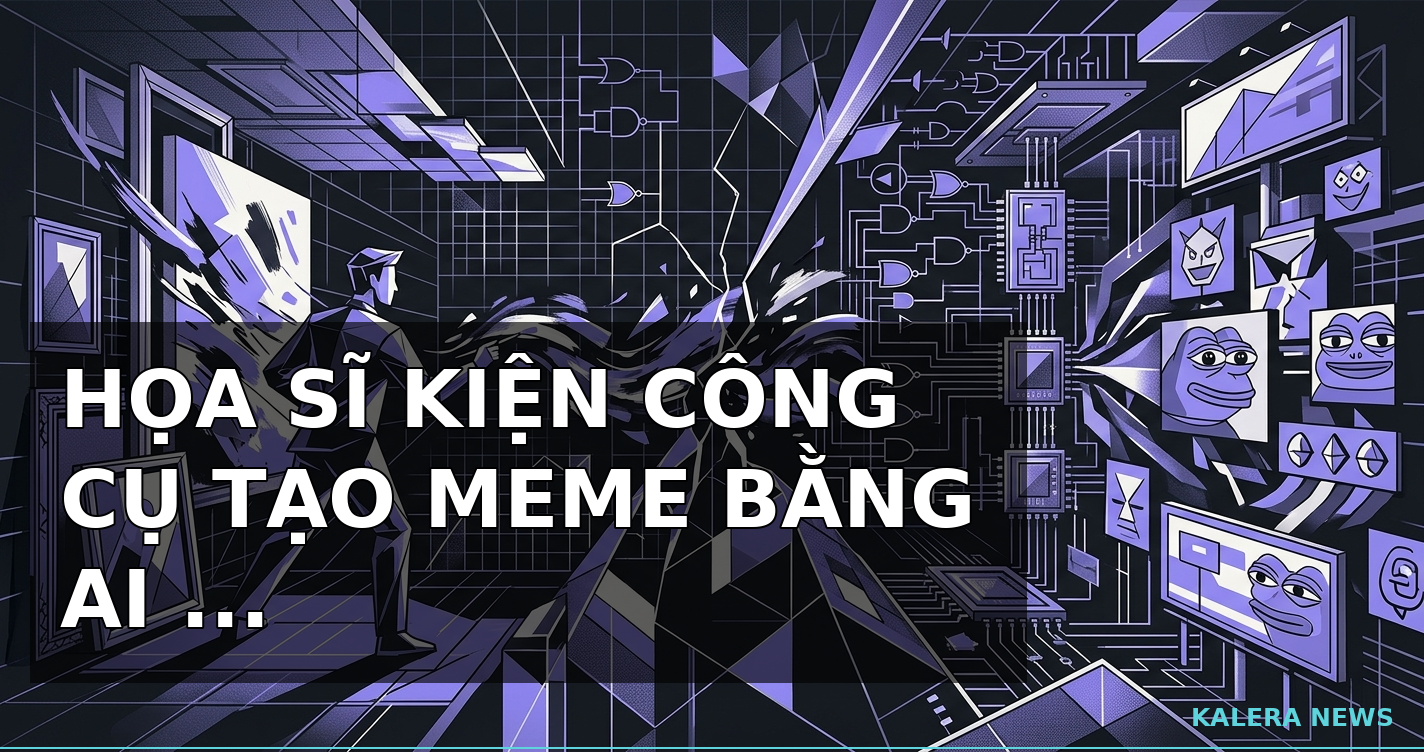
According to reports from Ars Technica on July 27, 2026, an artist has filed a lawsuit against an AI-powered meme generator company. The dispute arose after the tool used a deeply personal comic strip created by the artist as a commercial advertising template without authorization. This marks a significant new legal development amid escalating copyright disputes over AI training data and generated outputs.
Case Background
The incident began when the artist discovered their highly personal comic strip, which contained deeply private reflections, listed as an ad template within the AI meme-generating application. According to Ars Technica, the platform's automated scraping and direct monetization of proprietary artwork has sparked outrage across the creative community. The plaintiff alleges that the AI company not only committed copyright infringement but also severely violated moral rights by commercializing a deeply personal work. The lawsuit seeks financial damages and demands the immediate and permanent removal of the image from the platform.
Technical Analysis & Mechanism
From a technical standpoint, AI meme generators typically operate by scraping, analyzing, and restructuring existing image templates from the internet. This process involves training machine learning models to recognize visual elements, text structures, and layout patterns characteristic of a 'meme'. According to technology experts, the developer's major oversight in this case lies in the platform's output filters and input data curation pipeline. Instead of merely learning artistic styles, the system stored and directly replicated the structure—and even the exact original artwork—as a customizable template for users. This highlights a critical vulnerability in separating public domain content from protected, copyrighted material.
Expert Insights & Legal Outlook
Legal and technology experts suggest that the developer of this AI meme tool 'may have made a critical error by directly serving existing design templates in its final outputs.' Transforming someone else's artwork into a commercial 'ad template' severely weakens the 'fair use' defense, which is typically a shield for AI companies. Experts interviewed by Ars Technica noted that when an AI model transitions from generating transformative derivative works to directly selling exact structural replicas of original art, legal risks multiply, as this behavior constitutes direct copyright infringement and unfair competition.
Future Implications & Impact
This lawsuit is expected to set an important legal precedent for small and medium-sized generative AI applications. It sends a strong message that tech companies cannot bypass fundamental intellectual property regulations under the guise of 'AI creativity', especially when commercializing products. For the tech and creative communities, the case serves as a profound lesson on the necessity of implementing strict data filters and respecting digital copyright in the booming era of artificial intelligence.