
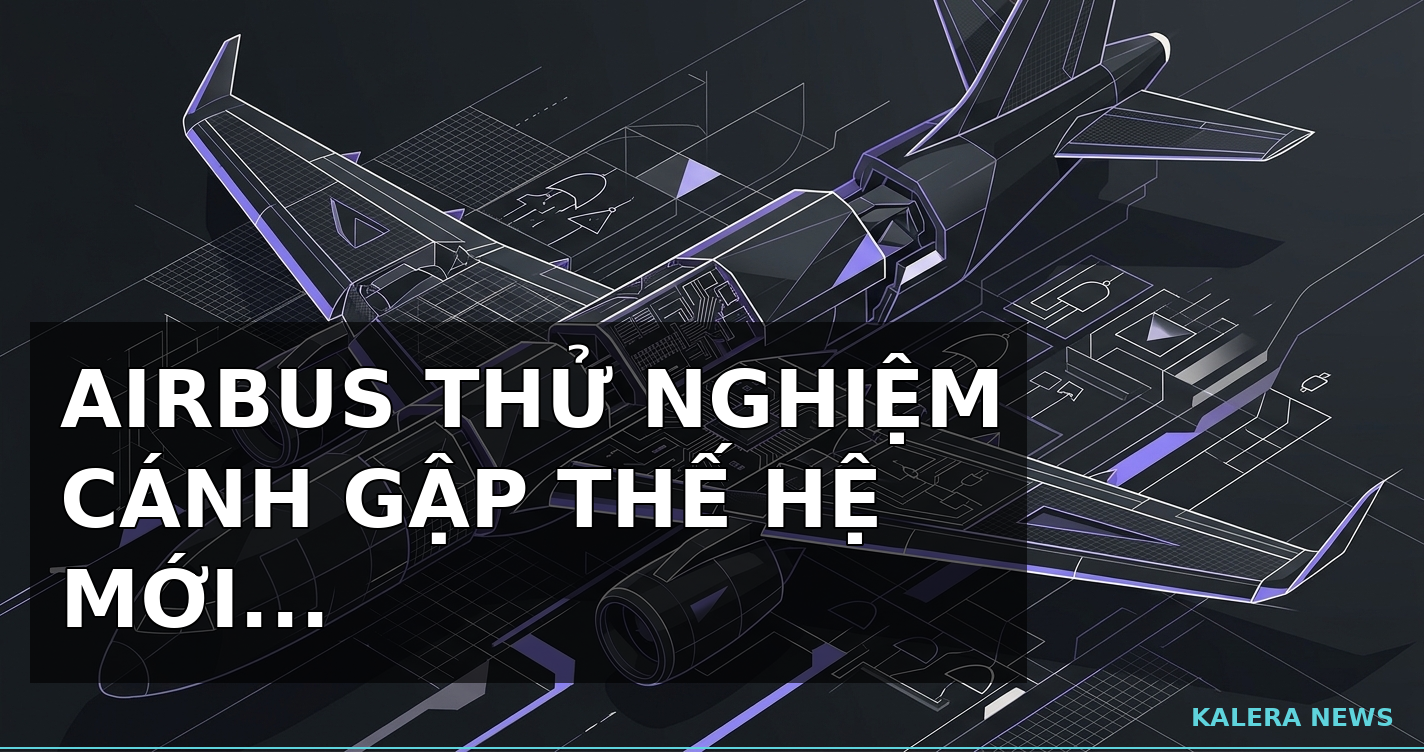
European aircraft manufacturer Airbus has officially launched a new flight test programme for its next-generation wing research project, named "Wing of Tomorrow." The core focus of this test phase is the integration and operation of full-scale foldable wing extensions. This represents a crucial step for Airbus in its quest for solutions to improve fuel efficiency and reduce carbon emissions for next-generation commercial aircraft.
Background & Drivers
According to Airbus, the "Wing of Tomorrow" project is one of the company's key technology research programs aimed at preparing for future narrow-body aircraft. Modern aviation design trends demand longer wingspans to increase lift and reduce aerodynamic drag. However, the greatest barrier to this design is the physical gate limits at existing airports. Developing foldable wingtip technology is seen as the optimal solution, allowing aircraft to maximize wingspan during flight while folding them to fit airport gates on the ground.
Technical & Technological Analysis
Technically, Airbus's new folding wing system is largely constructed from advanced composite materials to minimize weight while ensuring high structural strength. Full-scale testing will enable engineers to accurately assess aerodynamic loads, the wing-folding actuation mechanism under various simulated weather conditions, and the reliability of the joint locking system. Unlike purely mechanical folding wing designs seen on some military aircraft or the Boeing 777X, Airbus's solution aims to optimize automation and deeply integrate into the smart flight control system to reduce pilot workload.
Expert Opinions & Assessments
Aviation analysts note that moving from small-scale models to full-scale flight testing indicates this technology has reached a higher Technology Readiness Level (TRL). Although Airbus has not yet announced a specific commercialization timeline for this design, commentators on Hacker News point out that the biggest challenge lies not only in aerodynamics but also in the extremely rigorous safety certification process by aviation regulators like EASA and FAA. Adding moving parts to the wingtips also increases maintenance and operational complexity for airline partners.
Impact & Future
The success of the "Wing of Tomorrow" test program could reshape the design language of successors to the A320neo family in the coming decade. For the global aviation industry, including the Vietnamese market, implementing these fuel-saving technologies will help airlines optimize operating costs amid volatile fuel prices and tightening carbon tax regulations. This is a necessary stepping stone toward achieving the global aviation industry's goal of net-zero emissions by 2050.