
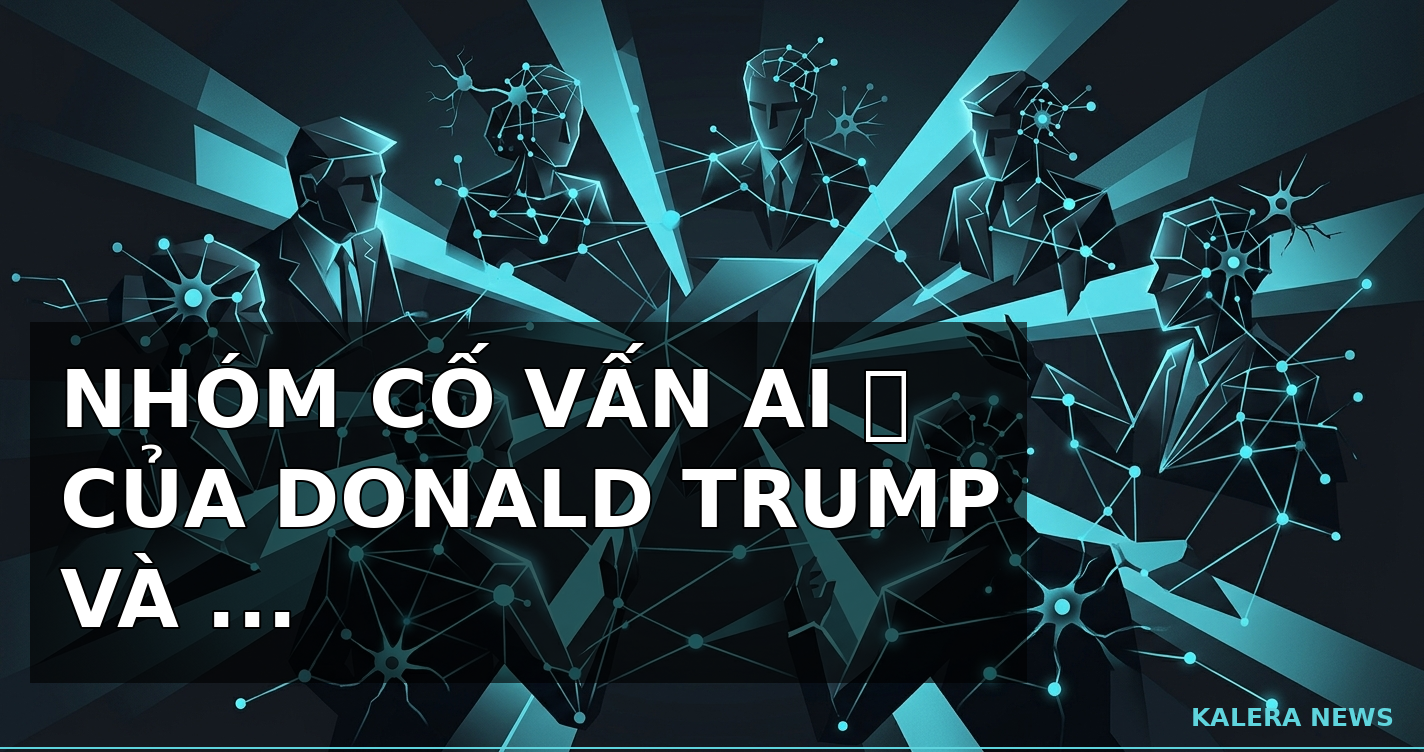
According to a Wired report on July 27, 2026, the artificial intelligence (AI) policy of President Donald Trump's administration is being shaped by a special advisory group with highly complex viewpoints. A senior administration official shared that this is no longer a conventional binary debate, but a multi-dimensional war of perspectives involving numerous stakeholders.
Detailed Developments
The decision to establish and run this AI advisory group reflects the administration's particular focus on maintaining global technological leadership. According to Wired sources, the AI policy formulation and debate do not follow a unified roadmap but consistently face conflicting opinions from advisors. 'This is not a two-sided debate; it is a 10-sided debate,' the senior official revealed to Wired. This highlights the complexity of reconciling diverse interests among tech lobbies, national security factions, and regulatory agencies. These dynamics unfold against the backdrop of an increasingly fierce global race for AI supremacy, requiring the U.S. to adopt a consistent yet highly flexible strategy.
Background & Causes
This complexity stems from the fact that the parties involved in the advisory group hold fundamentally different goals and philosophies regarding technological development. On one hand, national security experts advocate for strict technology export controls and the protection of the semiconductor supply chain to block competitors. On the other hand, Silicon Valley representatives lobby for a more open framework, minimizing regulatory barriers to optimize innovation and the commercialization of AI products. This overlapping of interests between the public and private sectors has turned policy-making meetings into prolonged debates, where even minor decisions can heavily impact the standing of the entire industry.
Technical & Technological Analysis
On a technical level, the policies under consideration go beyond macro-management, deeply intervening in core technical aspects of AI. Discussed issues include defining safety standards for large language models (LLMs), access to high-performance computing (HPC) resources, and the management of hardware infrastructure such as hyperscale data centers. The divide between open-source and proprietary approaches has also sparked a heated technical debate. Open-source advocates argue that public source code drives community innovation, while opponents worry about severe systemic security risks if the technology falls into the wrong hands.
Expert Opinions & Insights
Policy analysts note that the existence of a '10-way debate' within the administration is both a significant opportunity and a major challenge. Incorporating diverse perspectives helps policy minimize blind spots and cover various technological risk scenarios. However, the downside of this division is that the approval process for critical executive orders could be significantly delayed. A lack of consensus within the core advisory group risks sending conflicting signals to financial markets and tech companies, which constantly require a clear regulatory framework to shape long-term investment strategies.
Impact & Future Outlook
The outcome of these debates within the AI advisory group will shape the global technological landscape for years to come. For developing nations and the tech community in Vietnam, any shift in U.S. policies regarding technology exports, hardware, or AI safety standards will trigger direct ripple effects. Observers note that despite internal conflicts, the Trump administration's ultimate goal remains maintaining absolute U.S. technological supremacy. Closely monitoring how these differing perspectives are reconciled will help global tech enterprises proactively adjust their strategies.