
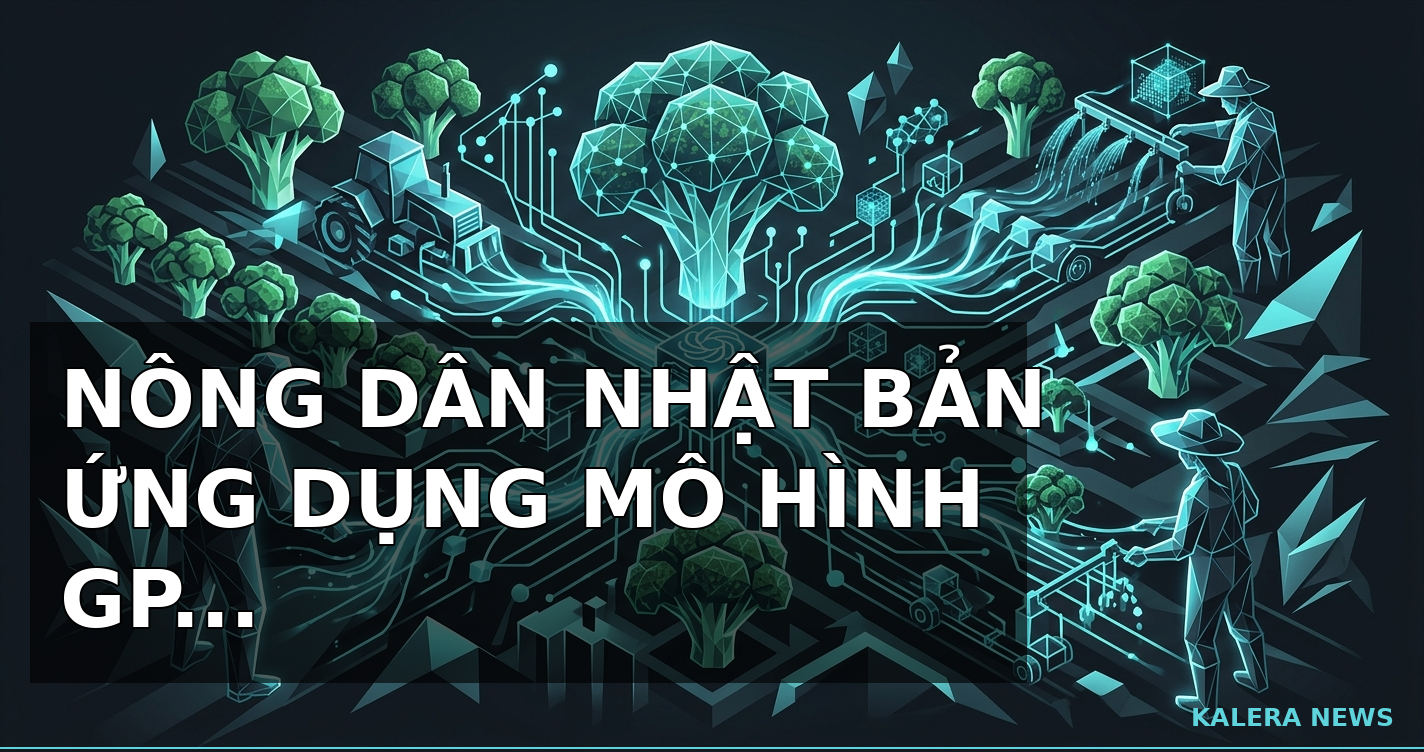
On July 9, 2026, OpenAI officially introduced Hiroki, a Japanese cauliflower farmer who is directly applying the next-generation GPT-5.6 large language model to manage and operate his farm. This milestone quickly captured the attention of the global tech community, demonstrating that AI is no longer confined to offices but has successfully integrated into traditional agricultural industries.
Background & Driving Factors
Japanese agriculture has long grappled with a severe labor shortage and an aging demographic. Young farmers like Hiroki adopting automation solutions has become an inevitable trend to maintain crop yields and optimize operational costs. By integrating advanced AI models into production workflows, farmers can make data-driven cultivation decisions rather than relying solely on traditional experience.
Technical Analysis & Technology
According to OpenAI, Hiroki's operational system utilizes the GPT-5.6 model. This upgraded version features superior multimodal capabilities and real-time data analysis. The model can process soil moisture metrics, weather forecasts, and pest conditions via surveillance camera feeds, subsequently delivering precise irrigation and fertilization recommendations for specific cauliflower cultivation zones.
Expert Insights & Perspectives
Smart agriculture experts note that deploying large language models (LLMs) like GPT-5.6 in the field significantly lowers technical barriers for farmers. Instead of mastering complex management software, they can simply interact with the AI using natural language to control irrigation systems or query crop care schedules.
Impact & Future Outlook
The success of Hiroki's farming model opens up significant prospects for scaling AI-driven smart agriculture across Asia, including Vietnam. The adoption of next-generation AI promises to boost labor productivity, mitigate risks posed by climate change, and optimize agricultural supply chains in the near future.