
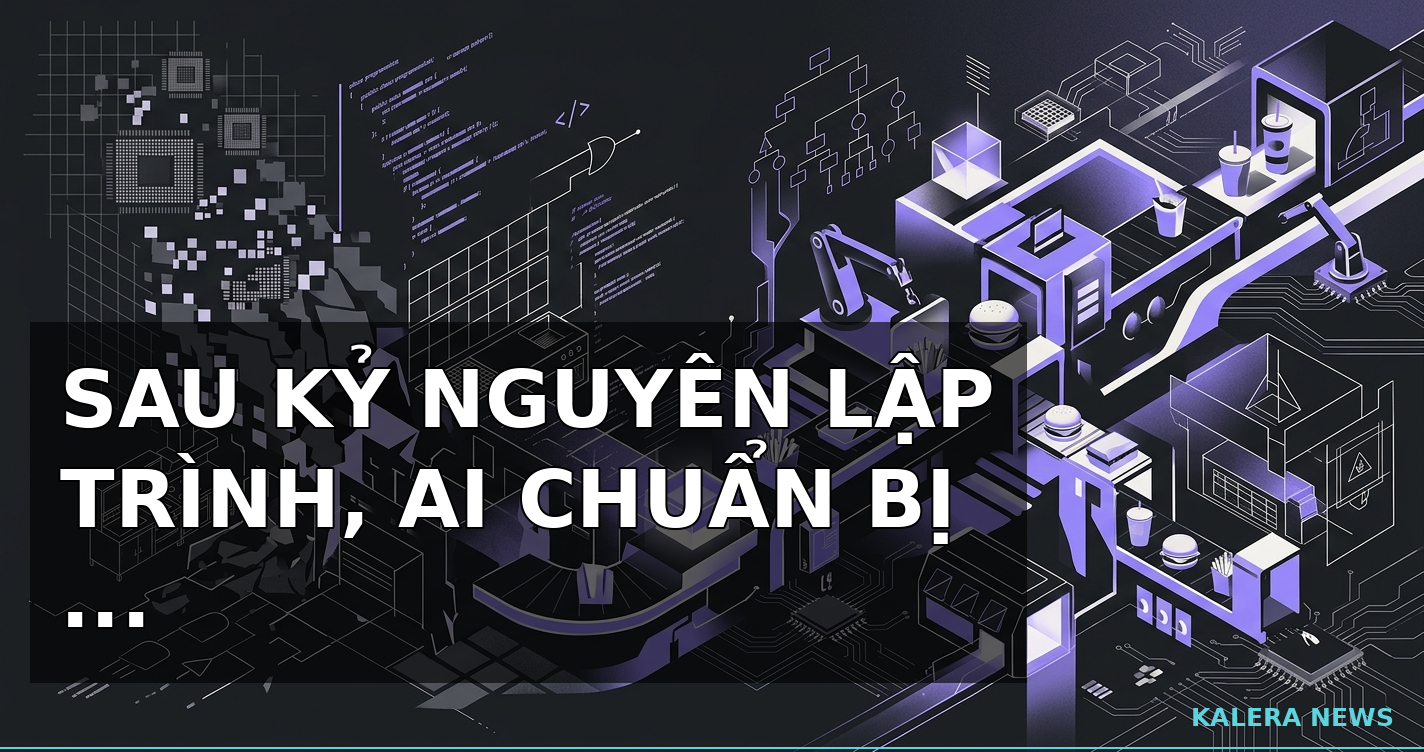
According to a report from Wired published on August 3, 2026, the artificial intelligence (AI) wave, after making major strides in programming, is preparing to sweep into the fast-food industry. Most notably, automated bots will soon take over the role of order-taking at drive-thrus. Customers ordering here might not even realize they are speaking directly to an artificial entity.
Background & Drivers
This shift occurs as AI models have demonstrated superior capabilities in handling complex logical tasks, such as writing source code. The food service industry, particularly fast-food chains, is facing massive pressure from rising operational costs and a global labor shortage. According to Wired, deploying AI bots to take orders at drive-thrus is seen as the next logical step to optimize service workflows. The success of preceding AI programming assistants has built a solid technological foundation, giving businesses greater confidence to deploy AI in direct customer-facing roles.
Technical Analysis & Technology
Technically, operating an AI bot in a drive-thru environment requires a sophisticated integration of Automatic Speech Recognition (ASR) and Natural Language Processing (NLP). The system must be capable of filtering out complex environmental noise—such as car engines, honking, or street traffic—to accurately recognize customer requests. Unlike standard text-based chatbots, voice-service AI must respond in real-time with ultra-low latency. Furthermore, these models integrate behavioral analysis algorithms to suggest upsell items tailored to customer preferences, based on historical data and the context of the current order.
Expert Insights & Perspectives
Although Wired notes that users 'might not notice' the AI's presence, technology experts maintain a cautious outlook. Voice communication in real-world environments is far more complex than writing source code, which operates on strict logical rules. The biggest hurdles currently lie in processing diverse regional accents, spontaneous phrasing, or abrupt changes in customer orders mid-process. Consequently, these AI solutions still require human supervision and assistance during the transition phase to ensure uninterrupted service quality.
Impact & Future Outlook
The emergence of AI bots in fast-food chains not only reshapes operations in the service sector but also raises significant questions about the future of labor. This trend indicates that AI is gradually stepping out of purely digital environments to directly impact the daily lives of global consumers. For the Vietnamese market, this is a noteworthy signal for retail and F&B businesses to stay ahead of the automation wave, while driving the demand for localized AI solutions tailored to the unique language and consumer habits of the Vietnamese people.